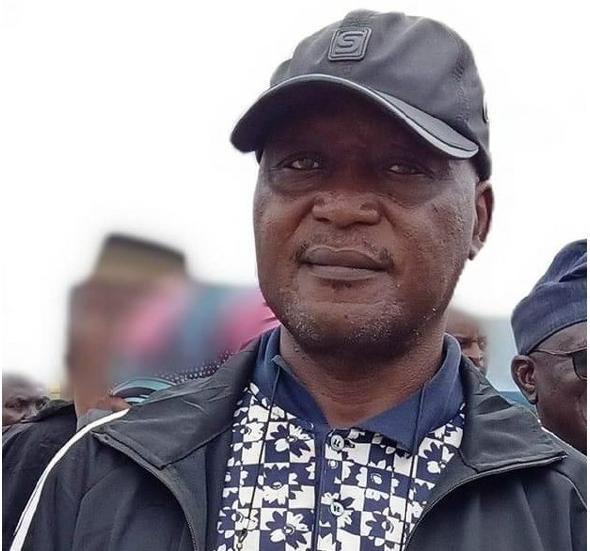
Luka Binniyat (also spelled Binniyat) is a Nigerian civil society actor and journalist best known for his role as a Public Relations Officer (PRO) for the Southern Kaduna People’s Union (SOKAPU), a socio‑cultural organisation representing various ethnic groups in Southern Kaduna, Kaduna State. He has been actively involved in documenting insecurity, advocating for the rights of communities affected by violence, and speaking on behalf of victims of communal conflict in the Middle Belt of Nigeria. He has also experienced legal challenges linked to his public statements and writings.
Background and Organisational Role
Binniyat comes from Southern Kaduna, a region in Nigeria’s Middle Belt that has experienced prolonged communal violence and tensions. He rose to prominence as the spokesperson for the Southern Kaduna People’s Union (SOKAPU), an umbrella organisation that advocates for the interests of indigenous peoples of Southern Kaduna and addresses issues of security, marginalisation, and development in the region. His role as PRO involved issuing statements, responding to contemporary security incidents, and articulating the union’s positions to the media and public.
SOKAPU describes itself as a socio‑cultural organisation representing multiple ethnic nationalities in Southern Kaduna, engaging on matters relating to violence, displacement, governance, and the welfare of affected communities. In this capacity, Binniyat became a vocal figure commenting on crises affecting the region. The union’s leadership structure includes a president, vice presidents, and other officers; while the president at one point was Samuel Tabara Kato, Binniyat served as PRO and frequently spoke on behalf of the organisation. The union often engaged with government authorities, humanitarian actors, and security agencies concerning insecurity in the state.
Public Statements and Advocacy
Throughout his tenure as SOKAPU PRO, Binniyat regularly issued statements on violence, displacement, and human rights harms in Southern Kaduna. He highlighted incidents in which communities were attacked, homes destroyed, and thousands displaced, emphasising perceived government inaction in bringing perpetrators to justice. In his statements, he repeatedly called for investigations, arrests, and better protection for vulnerable communities.
In the political context surrounding the 2023 general elections in Kaduna State, Binniyat spoke on behalf of SOKAPU to reject a “Muslim‑Muslim” governorship ticket proposed by the ruling party, arguing that such a ticket would insult the religious and ethnic diversity of the state, and that political structures should reflect inclusiveness given Southern Kaduna’s demographic composition.
He also publicly criticised specific government actors, arguing that official approaches to peace processes and security responses did not adequately protect people in Southern Kaduna or demonstrate genuine commitment to lasting solutions. On several occasions he voiced scepticism over state government peace initiatives, framing them as inadequate or symbolic unless accompanied by tangible actions and apologies to affected communities.
As spokesman, he also drew attention to broader displacement challenges and alleged abuses around security operations, including allegations that community leaders were detained without due process in connection with conflicts over cattle and farmland — situations he cited as examples of state authorities mishandling local grievances.
Legal Challenges and Controversies
Binniyat’s work as a spokesman and journalist brought him into direct conflict with Kaduna State authorities in 2021. He was arrested and detained in connection with an article he wrote criticising the state government’s response to attacks in Southern Kaduna. He was charged with offences including cyberstalking and aiding and abetting cybercrime in relation to comments attributed to a state official. His arrest drew attention from civil society and advocacy groups, which criticised the detention as excessive and raised concerns about press freedom and the handling of non‑violent offences by authorities. The legal case involved lengthy pre‑trial detention and challenges meeting bail conditions under stringent requirements. Eventually, he was granted bail after several weeks in detention.
Human rights and civil society groups publicly commented on the matter, noting that his detention reflected broader issues of press freedom and legal process in the context of Nigeria’s security landscape. Calls were made for respect for judicial independence and protections for journalists and civil actors expressing dissenting views.
Earlier in his career, there were reports of previous detention related to an article that was found to contain inaccuracies; he later publicly apologised for that incident. That matter had also led to legal consequences and internal reflection around reporting accuracy and advocacy responsibilities.
Criticism and Rebuttals
Statements made by Binniyat on insecurity and violence in Southern Kaduna have at times been challenged by other local actors and organisations. In one case, a peace advocacy group publicly disputed his accounts of renewed violence in a specific locale, characterising some of his reports as inaccurate or exaggerated. Critics within this context argued that some narratives might inflame tensions rather than promote reconciliation, although these disputes largely reflected differing interpretations of local security conditions rather than formal adjudication of fact.
Such controversies highlight the broader challenges in reporting and advocacy in conflict‑affected settings, where multiple actors may have contrasting assessments of events on the ground.
Shifts and Later Roles
After serving as SOKAPU’s spokesman, Luka Binniyat transitioned into broader regional advocacy roles. In early 2025, he was appointed as the National Public Relations Officer (PRO) of the Middle Belt Forum (MBF), an organisation focused on the interests of the Middle Belt region — a diverse area of Nigeria that includes Southern Kaduna. In this role, he continues to engage in public communication and represent perspectives from the region on issues ranging from security, governance, and inclusive development.
This appointment suggests continuity in his career in advocacy and public communication while expanding his remit beyond a single regional union to a larger coalition that spans multiple states and ethnic constituencies within the Middle Belt.
Challenges in Advocacy Context
Binniyat’s work must be understood against the backdrop of ongoing insecurity and communal violence in Southern Kaduna, where armed groups, bandits, and ethnic militias have been implicated in attacks resulting in mass displacement and significant loss of life. These conditions have shaped the environment in which he has operated, both in terms of the urgency of his messaging and the sensitivity of government responses to critical reporting.
His work as a communicator in this environment has involved navigating accusations of incitement from critics, legal challenges from authorities, and the broader humanitarian and political complexities of conflict reporting and civil society activism.
Current State (2025)
As of 2025, Luka Binniyat continues to be active in civil society and regional advocacy. His appointment as National PRO of the Middle Belt Forum represents an expanded platform from which he addresses issues affecting communities across the Middle Belt. He remains a figure engaged with public statements on governance, security, and inclusion in Nigeria’s socio‑political landscape.
While controversies over specific statements and past legal challenges persist in public memory, his ongoing work reflects continued involvement in advocacy and communications on behalf of groups affected by conflict and marginalisation in central Nigeria.
Luka Binniyat is a civil society communicator and former spokesman for the Southern Kaduna People’s Union, known for advocacy related to insecurity, community displacement, and ethnic‑religious diversity issues in Southern Kaduna and the wider Middle Belt. His career has intersected activism, journalism, legal contestation, and public representation, with public controversy and legal detention underscoring the contentious nature of civil society engagement in conflict‑affected contexts in Nigeria.